
Miami Hurricane Roof Prep Checklist — 2026 Season
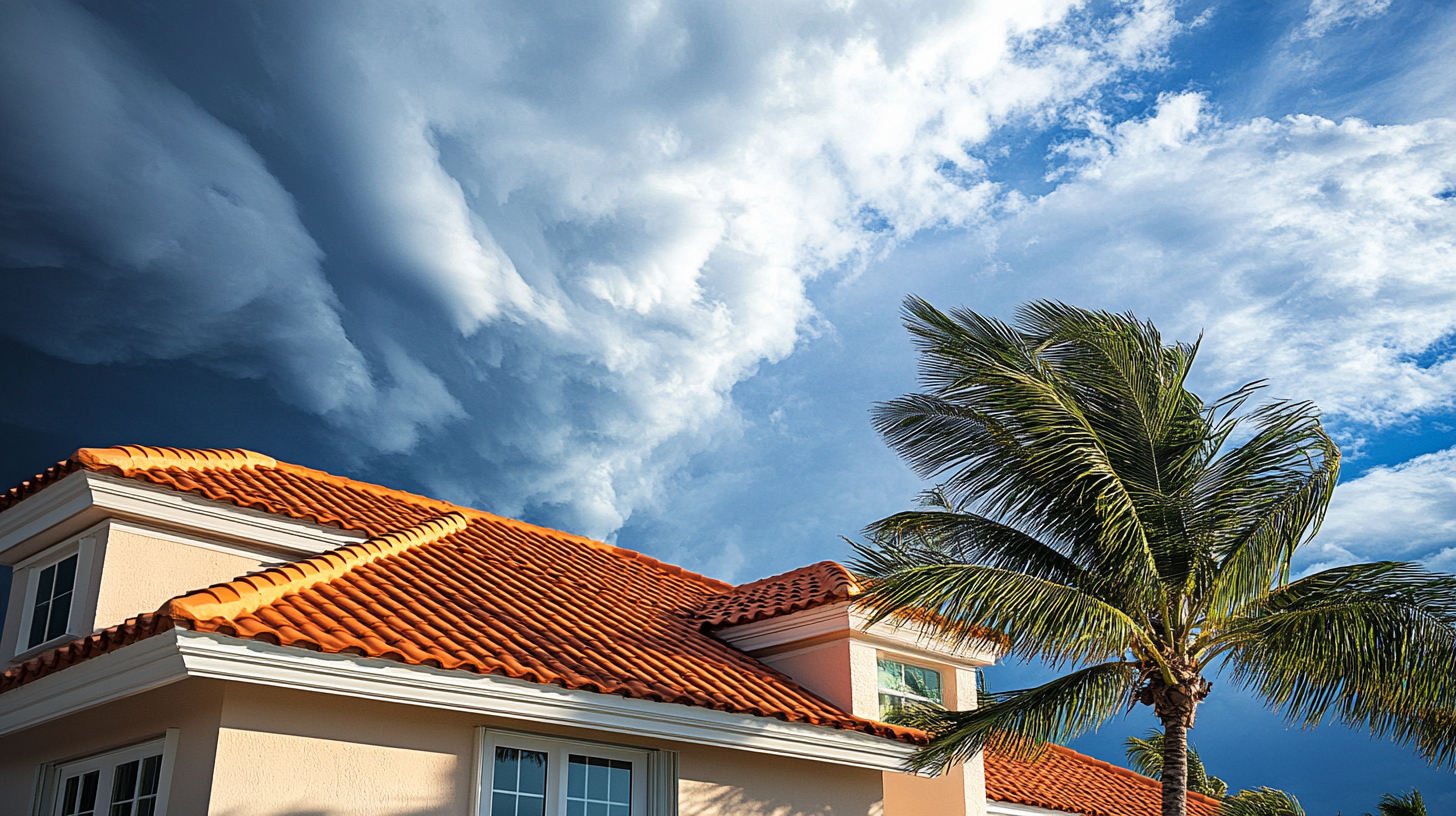
Updated June 2026 — for the 2026 Atlantic hurricane season (June 1 – November 30).
Hurricane Season 2026 Is Here
The Atlantic hurricane season officially opened on June 1, 2026, and forecasters are again projecting an active year for South Florida. If you haven't already prepared your roof — there's still time, but the window is shrinking. Peak hurricane activity for Miami-Dade and Broward runs mid-August through late October, which means you have roughly six weeks to get your home storm-ready before the most dangerous stretch begins.
As a GAF Master Elite contractor serving South Florida since 2004, we've estimated, repaired, and replaced thousands of roofs after every major storm from Wilma to Ian. The checklist below is the one we walk through with our own customers — in priority order.
Need a pre-storm roof estimate? Schedule a free estimate or call 305-639-7663. We cover all of Miami-Dade and Broward, including Pembroke Pines, Weston, Coral Gables, Kendall, and Miami Beach.
1. Get a Professional Pre-Storm Roof Estimate
If you missed the traditional "before June 1" estimate window, book one now. Our estimators look for the issues that turn small problems into total roof failures during a Category 3+ storm:
- Loose, cracked, or missing shingles and tiles — in 130+ mph wind, these become projectiles that take out neighboring tiles and windows.
- Damaged or lifted flashing around chimneys, vents, skylights, and roof-to-wall transitions — the #1 source of post-storm water intrusion claims.
- Soft spots in the roof deck — often invisible from the ground; we walk the roof and probe suspect areas.
- Clogged or detached gutters and downspouts — a full gutter system in a hurricane is a weight load your fascia wasn't designed to carry.
- Overhanging tree branches — trim back at least 10 feet of clearance. After the storm is too late.
- Sealant degradation around solar panels and mounts — common in Miami homes installed 5+ years ago.
A thorough estimate typically takes more than 90 minutes — we walk the full roof, photograph every problem area, and identify issues while they're still cheap to fix.
2. Upgrade to Impact-Resistant Materials If You're Due for Replacement
If your roof is 15+ years old or it was previously flagged as nearing end-of-life, a hurricane season replacement decision should account for two things: storm performance and insurance savings.
GAF Timberline HDZ shingles carry a Class 4 impact rating — the highest UL 2218 rating available — and are engineered for the wind speeds Miami-Dade's building code requires (180 mph in most ZIP codes). For tile homes, we install hurricane-clip-anchored concrete and clay tile systems rated to the same standard.
Just as important: in Florida, installing impact-rated materials can qualify you for the Insurance Premium Discount Disclosure (Form OIR-B1-1655) — a state-mandated discount on the wind portion of your homeowners policy. Depending on your carrier and current rating, that's typically a 15–35% reduction on the wind premium, which often covers the cost difference between standard and impact-rated materials within a few years.
We provide the OIR-B1-1655 paperwork at closeout on every qualifying job — most homeowners don't know to ask for it.
3. Document Everything BEFORE a Storm Hits
This is the step almost every Miami homeowner skips, and the one that costs the most when a claim is denied. Photograph your roof from every angle, in good light, before the season's first named storm — and back the photos up to cloud storage so they survive your house.
Florida's property insurance environment has continued to tighten through 2025 and 2026. Carriers are routinely denying claims by arguing damage was "pre-existing." The single best defense is dated, pre-season photo documentation. Specifically:
- Wide shots of every roof face (front, back, both sides) from the ground
- Close-ups of any visible wear, cracked tiles, or worn flashing
- Interior shots of attic spaces and ceiling areas under every roof plane
- Date-stamped photos of soffits, fascia, and gutters
Store digital copies in cloud storage (Google Drive, iCloud, Dropbox) plus keep paper copies of your insurance policy, contractor warranties, and our installation certificate in a waterproof container.
4. Stock Emergency Roof Supplies
After a major storm, professional emergency-tarping crews are booked solid for days — sometimes a full week. Have these supplies on hand to prevent further water damage while you wait:
- Heavy-duty tarps, minimum 6-mil thickness, sized larger than any roof face you have
- 1/2" plywood sheets — for boarding compromised areas and broken windows
- Contractor-grade plastic sheeting and roofing nails or screws
- 2x4 lumber for tarp anchoring
- Your roofer's after-hours emergency number — saved in your phone, not just on a fridge magnet
T&S Roofing provides 24/7 emergency tarping throughout Miami-Dade and Broward during and after named storms. Add our number to your phone now: 305-639-7663.
5. Know Your Roof's Wind Rating and Insurance Coverage
Pull out your homeowners policy this week and confirm three things:
- Your hurricane deductible — in Florida this is usually 2%, 5%, or 10% of the dwelling coverage, separate from the standard deductible. On a $500K home with a 5% hurricane deductible, you'd pay the first $25,000 out of pocket before coverage kicks in.
- Whether you have Replacement Cost Value (RCV) or Actual Cash Value (ACV) on the roof. ACV depreciates your roof by age — meaning a 15-year-old roof totaled by a hurricane may only pay out 30–50% of replacement cost.
- Your roofing material rating on file with the carrier — if you upgraded to impact-rated shingles and never sent the OIR-B1-1655 form, you're still paying the higher premium.
Frequently Asked Questions
Is it too late to get a roof estimate for the 2026 hurricane season?
No. Peak Atlantic activity runs mid-August through late October, so an estimate in June or July still gives you time to make repairs before the most dangerous window. After the first named storm enters the Gulf or Caribbean, our schedule fills up within hours — book now if you haven't.
What's the minimum wind rating my Miami roof needs?
Miami-Dade County's building code requires roofs in most ZIP codes to be designed for 180 mph wind. Broward County requires 170 mph in most areas. Any reroof or new installation we do is rated to or above the local code, with documentation provided for your insurance carrier.
Does insurance cover hurricane roof damage?
Yes — Florida homeowners policies cover hurricane-caused roof damage, subject to your hurricane deductible (typically 2–10% of dwelling coverage) and the RCV/ACV provisions in your policy. The most common reasons claims get denied are (1) inadequate pre-storm documentation, and (2) policy-required maintenance items that were neglected. Both are addressed in the checklist above.
Should I tarp my roof myself after a storm?
Only if you can do it safely from inside the attic or from a stable ladder while the storm is fully passed. Most post-storm injuries we hear about happen from homeowners climbing on wet, debris-covered roofs. If in doubt, call our emergency line and we'll dispatch a crew — covered roof damage that gets worse from delayed tarping is often disputed by carriers, so getting professional tarping in place matters.
How long does a hurricane-prep estimate take?
Typically more than 90 minutes, depending on roof size and access. We walk the full roof, photograph every problem area, and review what we found with you. You don't need to be home — we can email the documentation and photos directly.
Book your 2026 hurricane-prep roof estimate now.
Call 305-639-7663 or request a free estimate online. We serve all of Miami-Dade and Broward — same-week appointments still available in June, but availability tightens fast once tropical activity picks up.
T&S Roofing Systems is a GAF Master Elite contractor (top 3% of GAF-certified roofers nationwide), serving South Florida since 2004 with offices in Miami and Pembroke Pines.